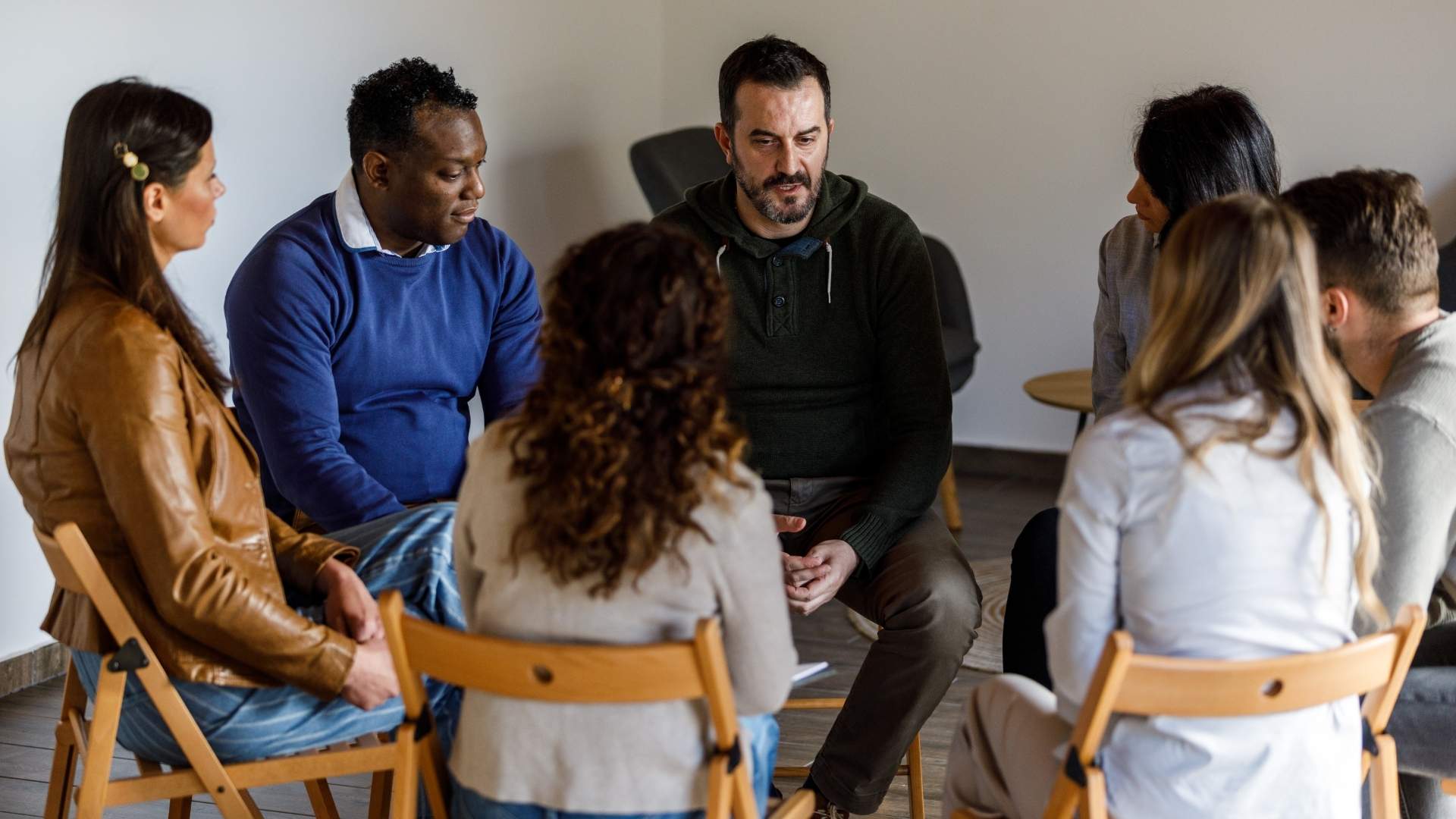
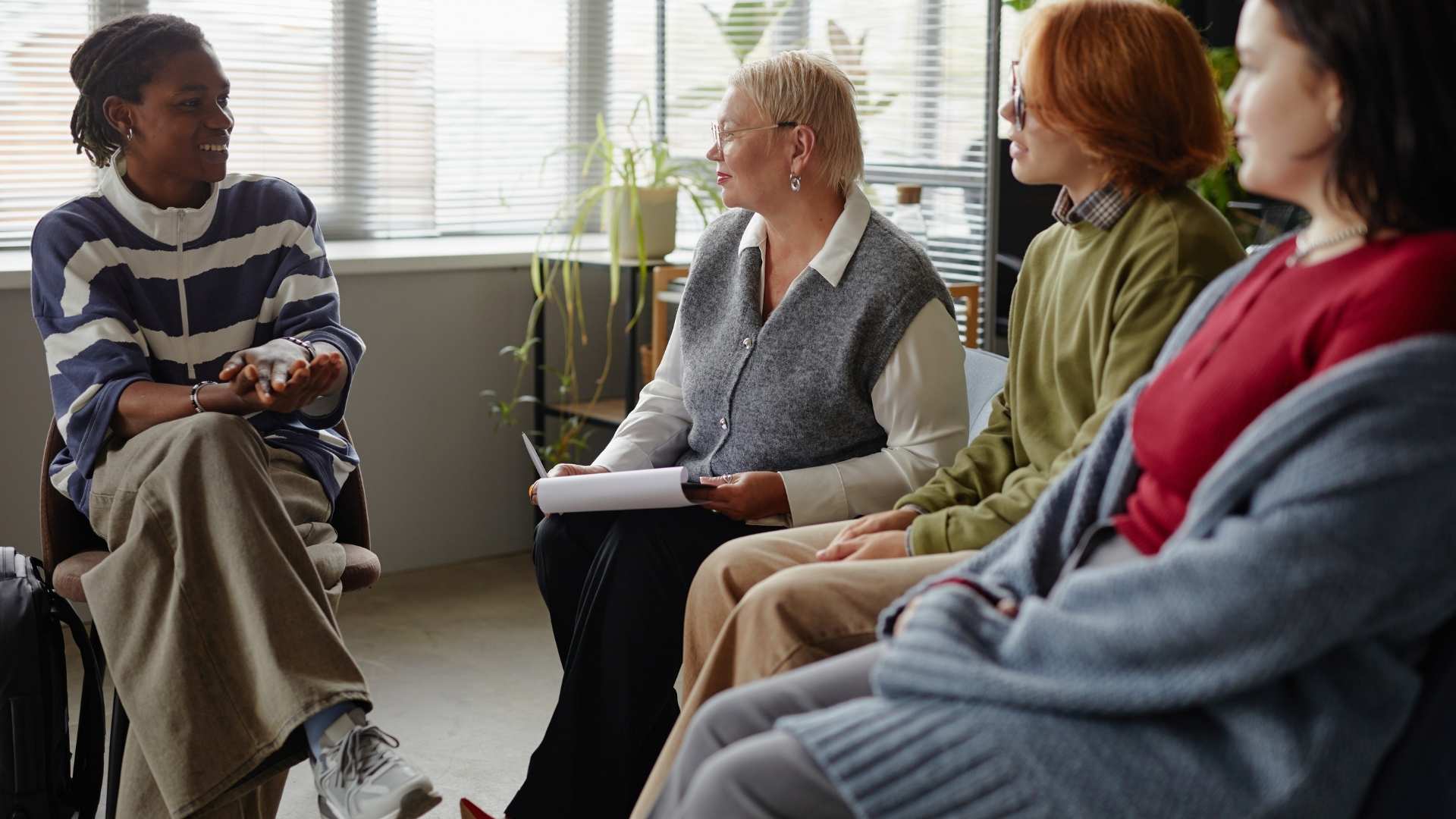
Anxiety is a common response to trauma after sexual assault or rape. According to the NIH, 73-82% of adults experience anxiety following sexual assault. Following a traumatic event, the brain’s threat detection system often becomes highly sensitive, causing survivors to experience ongoing worry, fear, and physical symptoms of anxiety – this can be related to hyperarousal of the autonomic nervous system, and ongoing hypervigilance as well. Many survivors report feeling unsafe even in situations that are objectively secure. They may constantly scan their environment for danger, avoid social situations, or struggle with everyday activities that once felt routine. This heightened awareness and anxiety can be exhausting and may contribute to emotional burnout over time. A strong emotional support system and intervention through therapy or support groups can help manage anxiety.
Panic attacks may occur when anxiety becomes overwhelming. During a panic attack, survivors may experience rapid heartbeat, chest tightness, shortness of breath, dizziness, trembling, sweating, nausea, or feelings of losing control. Because panic attacks can mimic medical emergencies, they are often frightening and confusing for those experiencing them. Triggers for anxiety and panic attacks vary widely. Some survivors react to reminders of the assault or trying to recall details of the assault, while others experience symptoms in unexpected situations, and may not be able to identify the specific trigger. Crowded spaces, certain locations, physical touch, media including news stories, movies, and television shows containing sexual violence, or interpersonal conflict may all contribute to triggering anxiety symptoms and panic attacks.
Anxiety can also affect sleep and concentration. Survivors may experience racing thoughts at night, difficulty falling asleep, frequent awakenings, or nightmares. Persistent anxiety can impact work performance, academic success, and relationships. For young adults pursuing higher education, this can greatly impact their ability to finish their degree and enter the workforce, impacting not only their physical and mental health, but their long term field of work and financial well being.
The encouraging news is anxiety related to trauma after sexual assault is treatable. Therapy, grounding techniques, mindfulness practices, breathing exercises, and trauma-informed care and support can help survivors regain a sense of control, and process and regulate their emotions. Learning to recognize anxiety symptoms and developing healthy coping strategies are important components of healing after sexual assault.
With appropriate treatment and support, many survivors find that anxiety becomes more manageable over time, allowing them to engage more fully in daily life and pursue their personal goals.