Experiencing sexual assault can have lasting effects on a survivor’s emotional, physical, and mental well-being. While every person’s journey is unique, many survivors experience trauma after sexual assault that can affect daily life, relationships, work, school, and overall health. The healing process is not linear, and there is no “right” timeline or way for recovery. However, understanding common trauma responses and accessing support can help survivors regain a sense of safety and control, improving long term social and health outcomes.
Healing after sexual assault often involves addressing symptoms of trauma, anxiety, depression, and post-traumatic stress disorder (PTSD). Many survivors struggle with feelings of fear, shame, anger, guilt, or isolation. Others may experience physical symptoms such as sleep disturbances, headaches, chronic pain, or difficulty concentrating. These reactions are common responses to traumatic experiences and do not reflect weakness or personal failure in any way.
Healing after sexual assault is possible with trauma-informed care, supportive relationships, therapy, advocacy services, and community resources. Survivors can move forward and build fulfilling lives with comprehensive support to meet the individual needs of every person. Whether the assault occurred recently or years ago, support is available. In Madison, WI, support is available through several agencies, including Hazel. We are here to help you understand trauma after sexual assault, mental and physical health impacts, and take the first steps toward healing.
Common Trauma Responses After Sexual Assault
Trauma after sexual assault affects people in different ways. Some survivors experience intense emotional reactions immediately following an assault, while others may not notice symptoms until weeks, months, or even years later as they process what they experienced. There is no universal response to trauma. Every survivor’s experience is valid.
One of the most common trauma responses is loss of memory, sometimes referred to as amnesia. Memory loss following sexual assault is a protective mechanism of the brain that cannot be controled. It is nature’s way of preventing survivors from reliving distressing emotions and events.
Another common trauma response after sexual assault includes heightened sense of fear or hypervigilance. Survivors may feel constantly on edge, struggle to relax, or become easily startled by unexpected sounds or situations. They may avoid certain places, people, or activities that remind them of the assault. These behaviors often develop as the brain attempts to protect itself from future harm.
Emotional responses can include sadness, anger, numbness, shame, guilt, embarrassment, confusion, or feelings of helplessness. Many survivors question their actions before, during, or after the assault despite the fact that responsibility always lies with the perpetrator. Self-blame is a common symptom of trauma after sexual assault and can significantly affect recovery if left unaddressed.
Physical symptoms are also common. Survivors may experience fatigue, headaches, digestive issues, muscle tension, sleep disturbances, nightmares, anxiety – heart racing / short temper/ feeling of chest tightness, or changes in appetite. Trauma impacts the body’s nervous system, which can remain in a heightened state of alertness long after the assault has occurred.
Some individuals withdraw from friends and family, while others seek increased support. Relationships may become challenging as trust issues develop or emotional vulnerability feels unsafe. Intimacy concerns are also common among survivors. Avoiding places, people, and events surrounding the assault are all common coping strategies.
Understanding these reactions are normal responses to an abnormal and traumatic event can help reduce feelings of isolation. Healing after sexual assault often begins when survivors recognize their symptoms are understandable consequences of trauma rather than personal shortcomings. Finding a therapist that specializes in trauma management can be extremely helpful in healing after sexual assault. Some common therapeutic interventions used in processing and healing from trauma may include Trauma-Focused Therapy (TFT), Eye Movement Desensitization and Reprocessing (EMDR), Cognitive Processing Therapy (CPT), Cognitive Behavioral Therapy (CBT), and Dialectical Behavior Therapy (DBT). These interventions can assist survivors in identifying and processing what happened to them, so they can continue on their healing journey, improving emotional regulation and mental health outcomes.
PTSD After Sexual Assault
Post-traumatic stress disorder, or PTSD, is one of the most significant mental health conditions associated with sexual violence. PTSD after sexual assault can develop when the brain remains stuck in survival mode, causing ongoing mental and physical symptoms that may interfere with daily living.
PTSD is more than simply remembering a traumatic event. Survivors with PTSD often experience intrusive thoughts, flashbacks, nightmares, and intense emotional responses and distress when reminded of the assault. Certain sounds, smells, locations, conversations, or situations may trigger memories that feel overwhelming and are incredibly difficult to control.
Avoidance is another hallmark symptom of PTSD after sexual assault. Survivors may avoid discussing the assault, thinking about what happened, or engaging in activities associated with the trauma. While avoidance can temporarily reduce distress, it often prevents long-term healing through delaying processing what happened, and can make symptoms worse over time.
Changes in mood and thinking are also common. Survivors may develop persistent feelings of fear, guilt, shame, anger, or hopelessness. They may struggle to trust others or feel disconnected from people they care about and reality. Many experience difficulty remembering aspects of the assault or maintaining positive emotions.
Hyperarousal symptoms can include difficulty sleeping, irritability, concentration problems, hypervigilance, and an exaggerated startle response. These symptoms occur because the brain continues to perceive threats even when a survivor is objectively safe.
Not every survivor develops PTSD after sexual assault, but many experience some PTSD symptoms during recovery. Early intervention and trauma-informed therapy can significantly reduce the impact of PTSD and improve overall well-being.
Seeking professional support is particularly important if symptoms persist for more than a month, interfere with work, school or relationships, or make daily functioning difficult. Effective treatments are available, and many survivors find substantial relief through counseling and specialized trauma informed care and therapy.
Hazelhelps.me can connect you to local providers in Madison, WI that provide trauma informed care, including sexual assault forensic exam nurses, local advocacy services, mental health support, and legal services. We are here for you every step of your healing journey.
Anxiety and Panic Attacks After Sexual Assault
Anxiety is another common response to trauma after sexual assault. Following a traumatic event, the brain’s threat detection system often becomes highly sensitive, causing survivors to experience ongoing worry, fear, and physical symptoms of anxiety.
Many survivors report feeling unsafe even in situations that are objectively secure. They may constantly scan their environment for danger, avoid social situations, or struggle with everyday activities that once felt routine. This heightened awareness and anxiety can be exhausting and may contribute to emotional burnout over time.
Panic attacks may occur when anxiety becomes overwhelming. During a panic attack, survivors may experience rapid heartbeat, chest tightness, shortness of breath, dizziness, trembling, sweating, nausea, or feelings of losing control. Because panic attacks can mimic medical emergencies, they are often frightening and confusing for those experiencing them.
Triggers for anxiety and panic attacks vary widely. Some survivors react to reminders of the assault, while others experience symptoms in unexpected situations. Crowded spaces, certain locations, physical touch, media including news stories, movies, and television shows containing sexual violence, or interpersonal conflict may all contribute to triggering anxiety symptoms and panic attacks.
Anxiety can also affect sleep and concentration. Survivors may experience racing thoughts at night, difficulty falling asleep, frequent awakenings, or nightmares. Persistent anxiety can impact work performance, academic success, and relationships. For young adults pursuing higher education, this can greatly impact their ability to finish their degree and enter the workforce, impacting not only their physical and mental health, but their long term financial well being.
The encouraging news is anxiety related to trauma after sexual assault is treatable. Therapy, grounding techniques, mindfulness practices, breathing exercises, and trauma-informed care and support can help survivors regain a sense of control, and process and regulate their emotions. Learning to recognize anxiety symptoms and developing healthy coping strategies are important components of healing after sexual assault.
With appropriate treatment and support, many survivors find that anxiety becomes more manageable over time, allowing them to engage more fully in daily life and pursue their personal goals.
How Therapy Can Help Survivors
Therapy is one of the most effective tools available for healing after sexual assault. Working with a trauma-informed mental health professional provides survivors with a safe and supportive environment to process their experiences, understand their symptoms, and develop healthy coping skills. In Madison, WI Hazel offers connections to therapy without navigating through multiple websites and online searches.
Many survivors hesitate to seek therapy because they fear discussing painful memories or worry they will not be believed. Trauma-informed therapists understand these concerns and prioritize safety, empowerment, and survivor choice throughout the therapeutic process.
Therapy can help survivors understand how trauma affects the brain and body. Learning that symptoms such as anxiety, panic attacks, hypervigilance, nightmares, and emotional distress are common trauma responses often helps reduce shame and self-blame.
Several evidence-based therapies have proven effective for PTSD after sexual assault and trauma recovery. Cognitive Behavioral Therapy (CBT) helps individuals identify and change unhelpful thought patterns. Eye Movement Desensitization and Reprocessing (EMDR) assists survivors in processing traumatic memories. Other approaches may include somatic therapies, mindfulness-based interventions, and trauma-focused counseling.
Therapy can also help survivors rebuild trust, improve self-esteem, establish healthy boundaries, and strengthen relationships. Many individuals discover that counseling provides opportunities for growth and resilience in addition to relief of the symptoms they have been experiencing.
For sexual assault survivors in Madison, Wisconsin, there are many therapists with experience working with survivors. Hazelhelps.me is here to connect you with local providers who are trained to provide trauma informed care and all services are free. Trauma-informed providers understand the unique challenges survivors face and can tailor treatment plans to individual needs. DaneMAC forensic nurses trained in trauma informed medical care are here to talk to you about your options with both in person and virtual appointments available. If you are a student at UW Madison seeking care, the UW survivor services department is available to help. Dane County RCC Sexual Violence Resource Center is available to help all community members connect with medical care, mental health care and support as well with their 24/7 help line, always answered by RCC or RAINN staff. Your primary care physician or insurance help line may also be able to refer you to a mental health care provider.
Healing after sexual assault does not mean forgetting what happened. Instead, therapy helps survivors reduce the power trauma holds over their lives so they can move forward with greater confidence, stability, and hope.
Support Groups for Sexual Assault Survivors in Madison
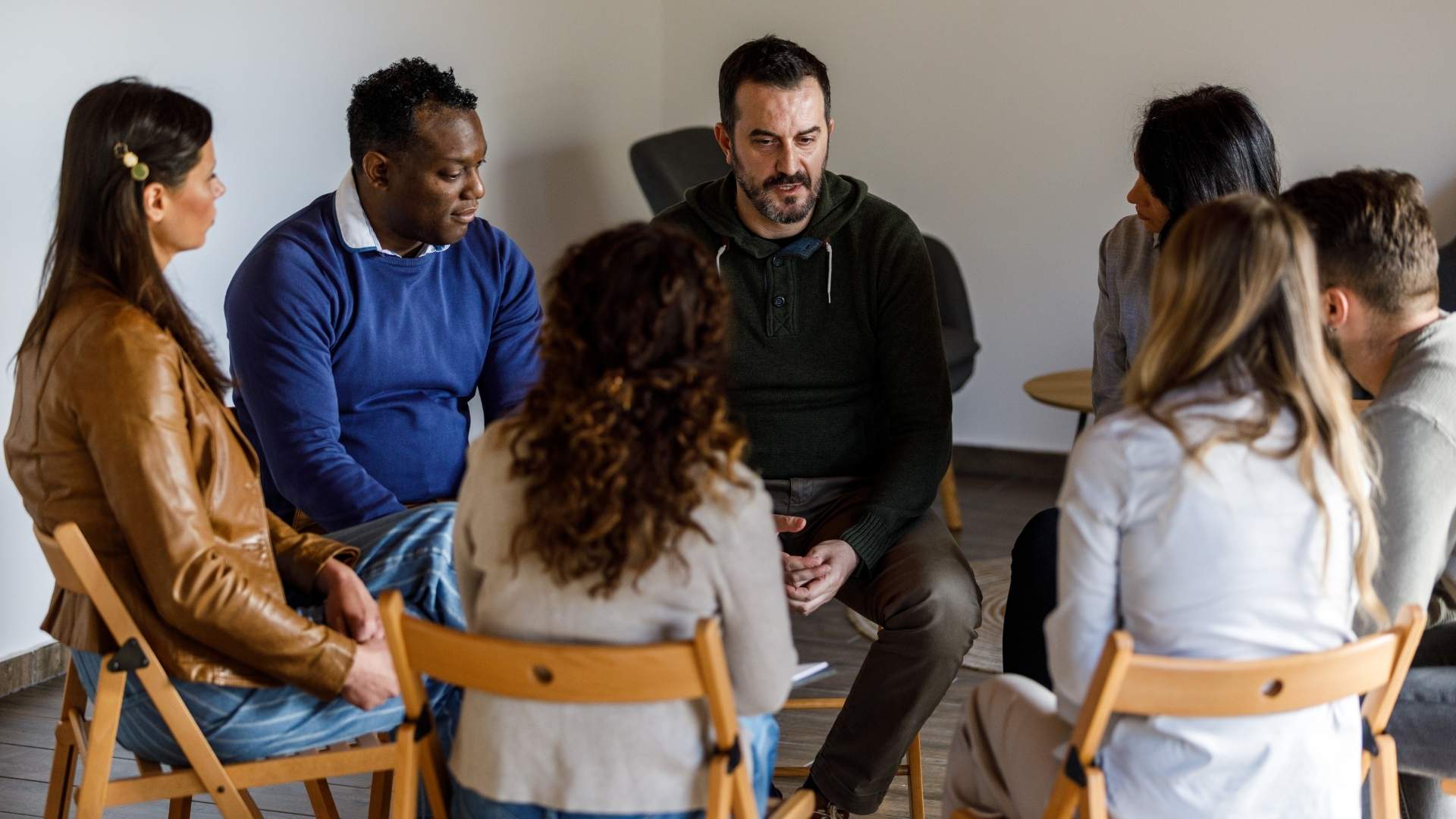
While individual therapy is valuable, many survivors also benefit from connecting with others who have experienced similar forms of trauma to discuss their shared experiences. Support groups can reduce isolation, provide validation, and create opportunities for healing within a community of understanding peers.
Sexual assault often leaves survivors feeling alone or misunderstood. Support groups help counter these feelings by offering a space where participants can share experiences, coping strategies, and encouragement. Hearing from others who have navigated similar challenges can provide hope and reassurance during recovery.
In Madison, WI and throughout Dane County, survivors have access to a variety of advocacy services, counseling resources, and support programs designed specifically for individuals affected by sexual violence. Organizations such as DaneMAC and Dane County RCC Sexual Violence Resource Center help connect survivors with medical care, forensic nursing services, counseling referrals, crisis support, community resources, support groups, and empowering self defense programming.
Support groups vary in structure and focus. Some groups emphasize emotional support and peer connection, while others incorporate educational components, coping skills, mindfulness practices, or trauma recovery strategies. Virtual options are also available for survivors who prefer remote participation. Survivors.org offers a variety of virtual support group options.
Participation in a support group is a personal choice. Some survivors find immediate comfort in connecting with peers, while others prefer individual counseling before joining a group setting. There is no right or wrong approach to recovery – it is fully individualized.
For individuals seeking healing after sexual assault, combining professional therapy with peer support can be especially effective. Having multiple sources of support often strengthens resilience and promotes long-term recovery.
If you are looking for resources, information, therapy or support services in Madison, WI, organizations such as DaneMAC can assist survivors in finding trauma-informed care and connecting with local support options through our survivor portal: Hazelhelps.me. No matter where you are in your healing journey, help is available, and recovery is possible.
Sexual assault can have profound and lasting effects, but survivors do not have to navigate recovery alone. Understanding trauma after sexual assault, recognizing symptoms of PTSD and anxiety, and accessing professional support are important steps toward healing. Whether through therapy, advocacy services, support groups, or trusted relationships, survivors can find pathways toward recovery, empowerment, and hope. Healing after sexual assault is possible, and every survivor deserves compassionate, trauma-informed support throughout that journey.